
Journal of Biology and Medicine: Open Access
Peer Reviewed
Journal
Open Access
Publication
Rapid
Review Process
Global
Editorial Board
Volume 2 - Issue 2
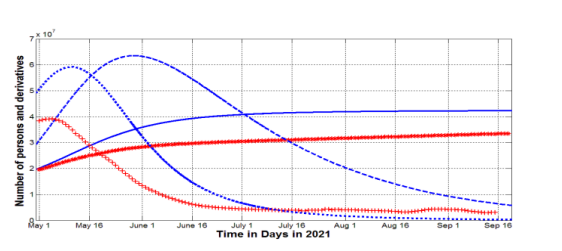 Research Article (Published: November 20, 2021)
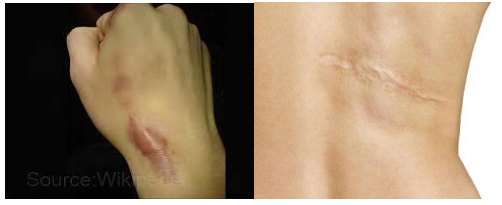 Short Review (Published: September 10, 2021)
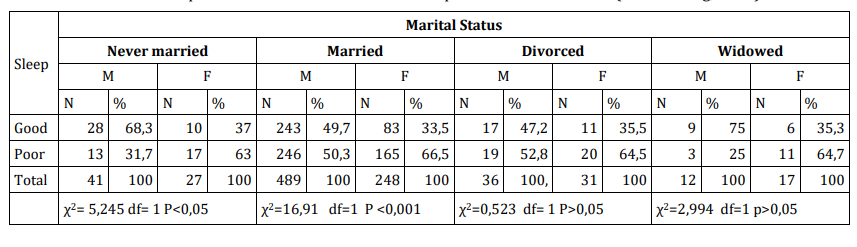 Research Article (Published: December 26, 2021)
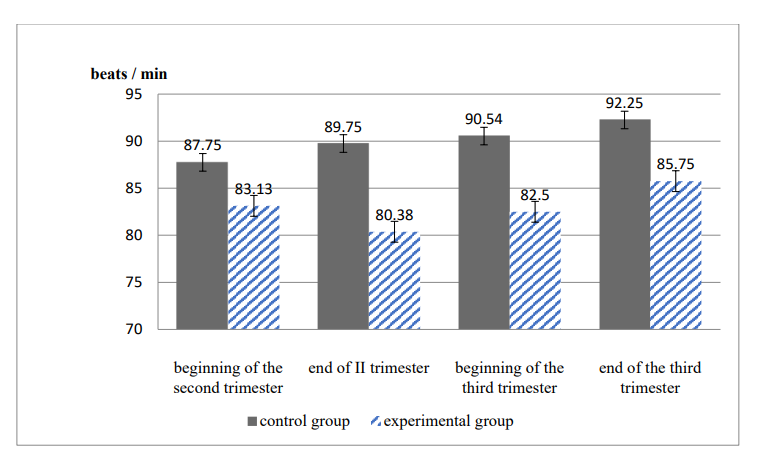 Research Article (Published: December 24, 2021)
 Research Article (Published: November 10, 2021)
Journal Information
- Journal Name: Journal of Biology and Medicine: Open Access
- Journal Abbreviation: J Bio Med Open Access
- Journal Code: JBMOA
- Format of Publication: Online
- Frequency of Publication: Two Issue a Year
- Language: English
- Starting Year: 2020
- Subject: Biology, Medicine, Medical Sciences
- Review Process: Single-Blind Peer-Review by Referees
- Time to 1st Decision: 1 to 4 weeks from date of submission
- Time to Acceptance: 3 to 6 weeks, depending upon the required revision cycles
- Time to Publication: 1 to 2 weeks from date of final submission
- Editor-in-Chief: CHEE KONG YAP
Indexed and Abstracted In
