
Transactions on Engineering and Computer Science
Peer Reviewed
Journal
Open Access
Publication
Rapid
Review Process
Global
Editorial Board
Volume 2 - Issue 1
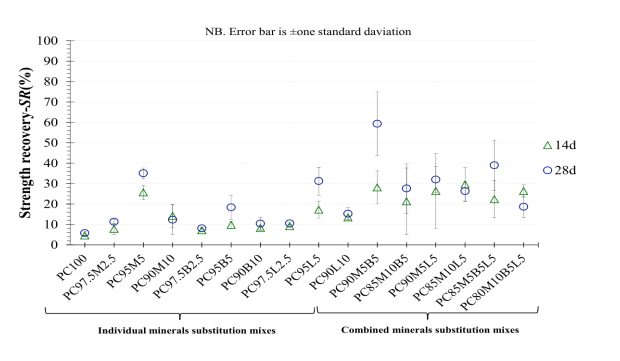 Review Article (Published: May 11, 2021)
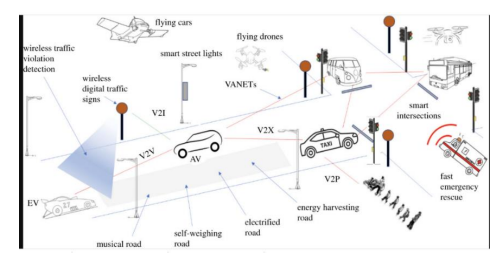 Research Article (Published: May 06, 2021)
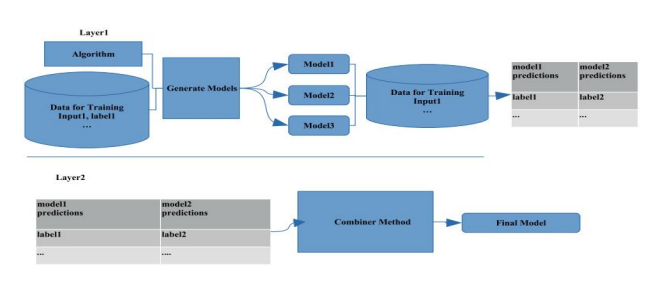
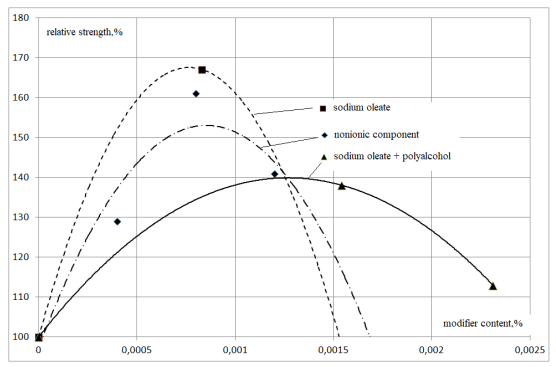 Research Article (Published: March 22, 2021)
 Research Article (Published: February 28, 2021)
Journal Information
- Journal Name: Transactions on Engineering and Computer Science
- Journal Short Name: Trans Eng Comput Sci
- Language: English
- Format of Publication: Online
- Starting Year: 2020
- Focus Subject: Engineering and Computer Science
- Publication Model: Online
- Frequency of Publication: Two Issue a Year
- Review Process: Single blind peer-review by referees
- Time to 1st Decision: 2 to 3 weeks from date of submission
- Time to Acceptance: 4 to 6 weeks, depending upon the required revision cycles
- Time to Publication: 1 to 3 weeks from date of final submission in the forthcoming issue
- DOI Prefix: 10.7620
Indexed and Abstracted In
